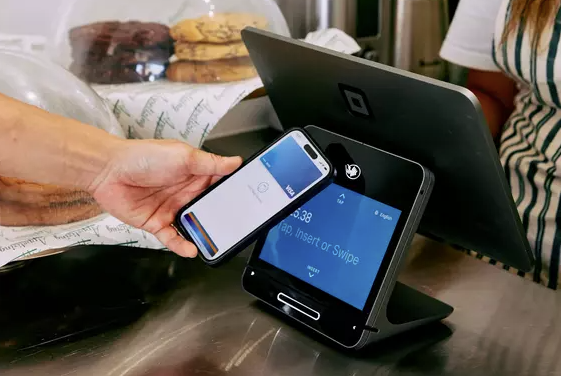
Mobile payment technologies are reshaping the landscape of financial transactions. They include methods such as NFC payments, QR codes, and mobile wallets. Each technology offers distinct advantages that enhance consumer convenience. However, as these solutions gain traction, they also introduce various security challenges. Understanding both the benefits and risks is crucial for consumers and businesses alike. What implications do these advancements hold for the future of financial transactions?
Types of Mobile Payment Technologies
Mobile payment technologies encompass a diverse range of methods that facilitate financial transactions through mobile devices.
Key types include NFC payments, which enable contactless transactions, and QR codes that allow users to scan for payments.
Mobile wallets store payment information securely, while in-app purchases streamline buying within applications.
Each method offers unique advantages, contributing to the evolving landscape of digital financial interactions.
See also: Mobile Gaming Technology Innovations
Benefits of Mobile Payment Solutions
As consumers increasingly seek convenience in their financial transactions, the benefits of mobile payment solutions become increasingly apparent.
These technologies offer significant cost savings by reducing transaction fees and minimizing the need for physical infrastructure. Additionally, they enhance consumer convenience, allowing users to make swift payments anytime and anywhere.
This seamless integration into daily life empowers individuals, promoting greater financial autonomy and efficiency.
Challenges and Security Concerns
While the advantages of mobile payment solutions are significant, they are not without their challenges and security concerns.
Issues surrounding user privacy and data breaches persist, necessitating robust fraud prevention measures. The reliance on technology can expose users to potential hacks, undermining their confidence in mobile transactions.
As such, addressing these security vulnerabilities is crucial for widespread adoption and user trust in mobile payment systems.
The Future of Mobile Payments
How will emerging technologies reshape the landscape of mobile payments in the coming years?
Innovations in digital wallets and enhanced contactless transactions are poised to streamline transactions, offering consumers greater freedom and convenience.
As biometric authentication and blockchain technology gain traction, the security and efficiency of mobile payments will improve, paving the way for a more accessible and user-centric financial ecosystem.
Conclusion
In conclusion, mobile payment technologies represent a digital tapestry woven from convenience, efficiency, and innovation. As these methods gain traction, they not only redefine the landscape of financial transactions but also present a myriad of security challenges that must be navigated with caution. The future of mobile payments promises further evolution, akin to a river carving new paths through the landscape, continuously shaping the way we interact with money in an increasingly digital world.