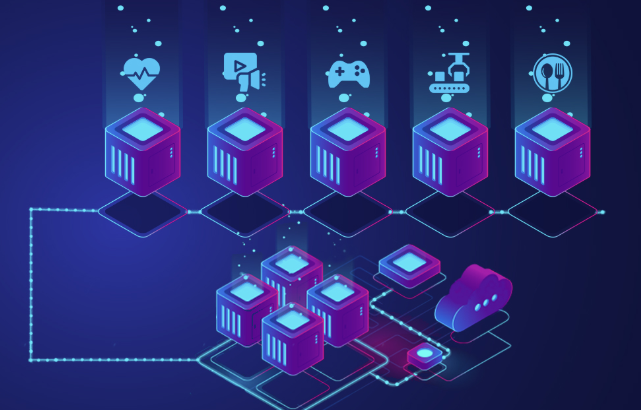
Blockchain technology represents a revolutionary approach to data management, leveraging a decentralized digital ledger to record transactions securely. It operates across a network of computers, ensuring transparency and minimizing fraud risk. Unique features such as immutability and autonomy over digital assets distinguish it from traditional systems. However, the complexities of scalability and smart contract security pose significant challenges. Understanding these nuances can illuminate the broader implications of blockchain adoption across various sectors.
What Is Blockchain and How Does It Work?
Blockchain technology is a decentralized digital ledger system that enables secure and transparent recording of transactions across multiple computers.
This architecture enhances blockchain security by eliminating centralized points of failure, thereby reducing the risk of fraud and manipulation. Each transaction is cryptographically linked, ensuring data integrity and facilitating trust among participants.
Ultimately, this decentralized ledger empowers individuals by providing autonomy over their digital assets.
What Makes Blockchain Stand Out?
While many technologies offer various advantages in data management, few can match the distinctive features of blockchain that contribute to its growing significance in multiple sectors.
Its decentralized trust model enhances security by eliminating single points of failure, while its inherent data integrity ensures that information remains accurate and tamper-proof.
These characteristics empower users, fostering confidence in transactions and interactions across diverse applications.
How Is Blockchain Applied in Different Industries?
As organizations seek innovative solutions to enhance efficiency and security, blockchain technology has emerged as a transformative force across various industries.
In supply chain management, it ensures transparency and traceability.
In healthcare, it secures patient records.
Financial services leverage blockchain for faster transactions, while voting systems enhance electoral integrity.
Additionally, real estate transactions benefit from improved security and reduced fraud through blockchain applications.
See also: Mobile Gaming Technology Innovations
What Are the Pros and Cons of Using Blockchain?
The integration of blockchain technology across various sectors has prompted a thorough examination of its advantages and disadvantages.
Proponents cite enhanced security and transparency; however, notable security concerns persist, particularly regarding vulnerabilities in smart contracts.
Additionally, scalability issues challenge widespread adoption, as existing blockchains struggle to process high transaction volumes efficiently.
Balancing these factors is crucial for informed implementation and sustainable development.
Conclusion
In conclusion, blockchain technology stands at the precipice of revolutionizing various sectors, offering unparalleled transparency and security. Yet, as the digital landscape evolves, it faces critical hurdles that could dictate its future. Will scalability solutions emerge in time to meet demand? Can the intricate web of smart contract vulnerabilities be untangled? As these questions loom, the potential of blockchain continues to beckon, promising a transformative shift that could redefine trust and integrity across global systems.


 By
By