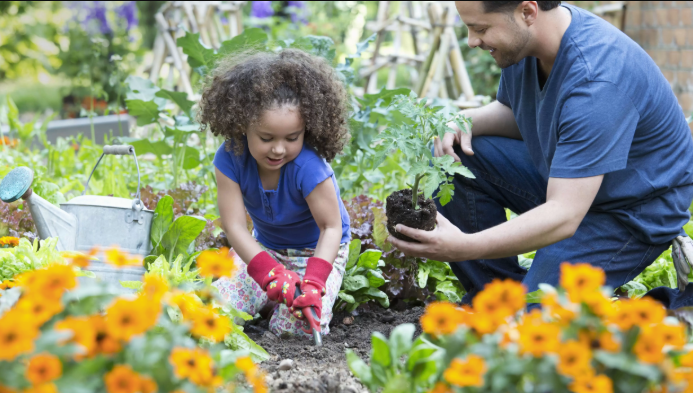
A practical approach to DIY garden improvement begins with a clear plan and a sensible budget. From there, soil health, smart planting choices, and cost-conscious features come into play. Each decision affects durability and maintenance, so grouping plants by light and water needs matters. Simple, upcycled elements and modular layouts can stretch resources. The path forward blends efficiency with sustainability, inviting steady progress and outcomes that invite closer attention, just as a gardener weighs the next practical step.
Start With a Solid Garden Plan and Budget
A solid garden plan and budget provide a clear roadmap for successful DIY improvements.
The detached assessment outlines goals, space, and resources, enabling confident decisions.
Start planning with practical steps, budgeting wisely to allocate tools, materials, and contingencies.
Consider selecting plant varieties suited to climate and sunlight.
Schedule maintenance routines, track progress, and adjust plans as needs evolve throughout the growing season.
Freedom guides method.
Build Healthy Soil and Smart Planting Choices
Healthy soil forms the foundation of productive, low-maintenance gardens, and choosing the right planting strategy maximizes returns. The piece explains soil microbiome benefits, emphasizing balanced organic inputs and moisture control. Mulching strategies preserve moisture and suppress weeds, while prudent planting density prevents competition. Emphasize compost quality as a soil-builder, establishing structure, fertility, and resilience for sustainable, freedom-loving growers.
Create Functional, Budget-Friendly Garden Features
Gardens built on healthy soil provide a strong foundation for practical, budget-conscious enhancements. The section outlines functional, affordable features that maximize space and utility without excess.
Practical strategies include simple composting basics to enrich soil and reduce waste, plus using upcycled planters for charm and height.
Benefits accumulate through modular design, low-maintenance materials, and mindful, freedom-oriented cultivation choices.
See also: What Is Blockchain Technology?
Light, Water, and Maintenance Hacks for Longevity
Light, water, and maintenance are the trio that governs garden longevity, guiding how plants survive, thrive, and resist stress.
This section outlines practical hacks: optimize light with sun exposure strategies, group plants by needs, and keep a consistent watering routine.
Employ water saving methods, mulch to reduce evaporation, and schedule irrigation for dawn or dusk to maximize efficiency.
Frequently Asked Questions
How Can I Start a Simple Seasonal Garden Plan?
Simple seasonal planning guides beginners to map a beginner friendly garden layout, selecting resilient crops and a workable planting sequence. It outlines a year-round routine, measuring space, sunlight, and soil; encouraging experimentation while maintaining structure and personal freedom.
What Are Budget-Friendly Pest Control Options?
Budget friendly pest control options include homemade sprays (garlic, soap), beneficial insects, cultural practices, and physical barriers. The approach is practical, descriptive, and liberating, guiding readers to informed choices that protect plants while preserving garden autonomy and well-being.
Which Irrigation Methods Save Water Effectively?
Drip irrigation saves water by delivering steady moisture to roots, minimizing evaporation and runoff, while rain barrels provide supplemental supply during dry spells. Together they form a practical, freedom-oriented approach to efficient irrigation and resource independence.
How Do I Choose the Right Tools for Beginners?
Choosing beginner friendly tools requires simplicity and comfort; beginners will benefit from ergonomic grips, balanced weight, and versatile pairs. The process focuses on basic tool handling, safety first, and selecting options that grow with growing confidence.
What Safety Steps Should I Take for DIY Projects?
Safety steps include conducting a risk assessment, using safety gear, and practicing water saving irrigation; seasonal planning and budget friendly pest control aid sustainable work. Beginner tool selection remains prudent, while safety awareness supports confident, freedom-loving DIY progress.
Conclusion
In the end, the garden becomes a quiet chorus of growth and frugality. Plans unfold like careful sketches, soils hum with life, and mulch lays a protective rhythm over roots. Plants, grouped by need, share the sunlit stage and steady drink, while upcycled features provide both form and function. With simple routines and modular choices, resilience takes root. The yard evolves into an enduring song of sustainability, beauty, and practical, low-maintenance abundance.